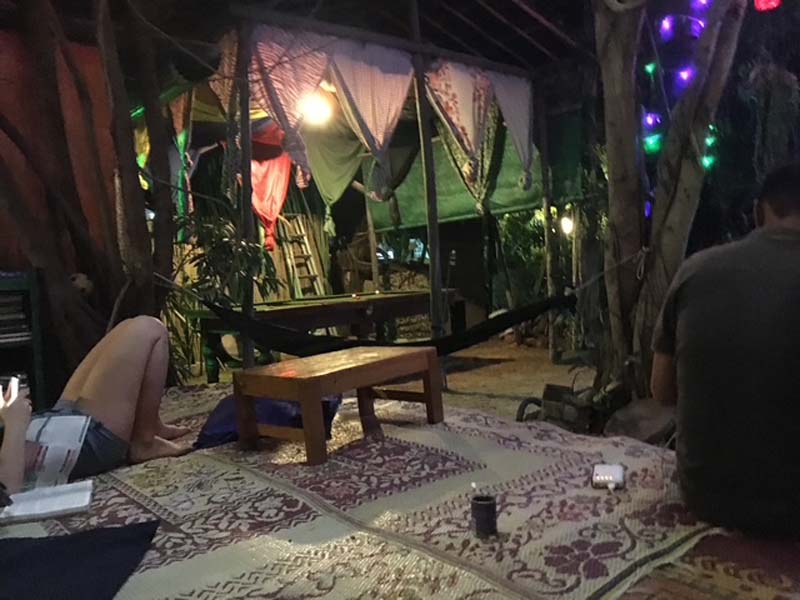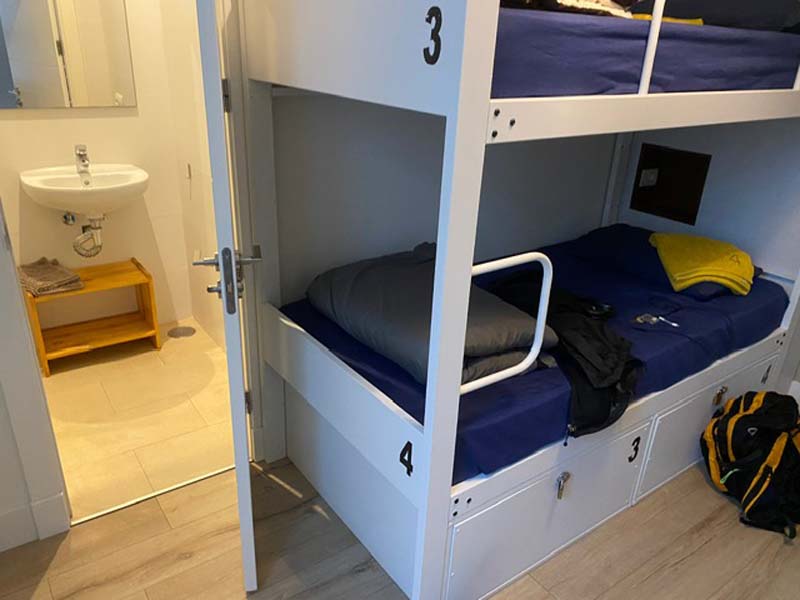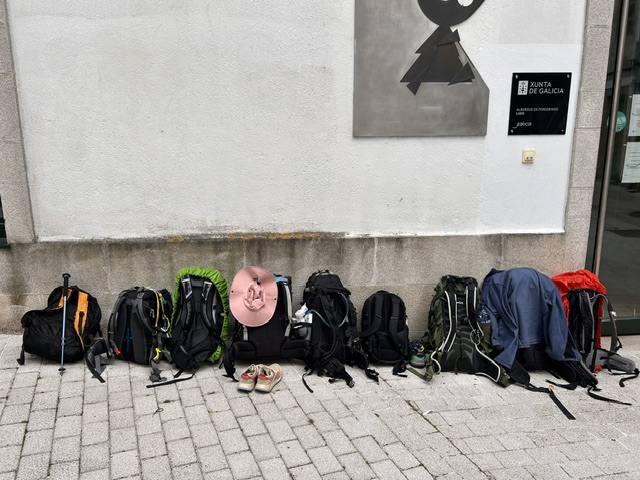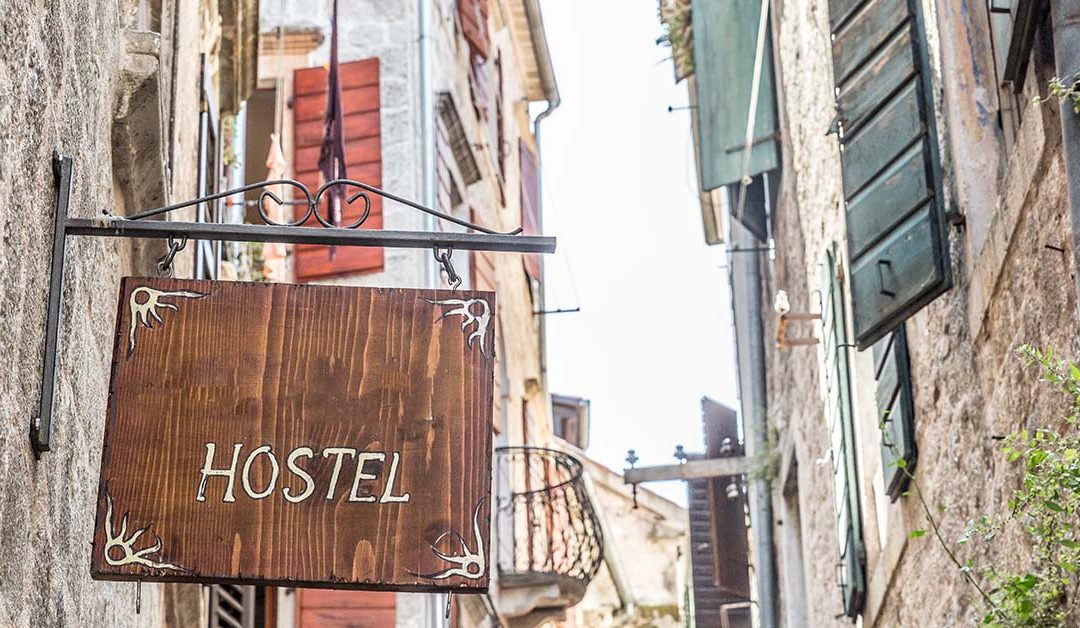
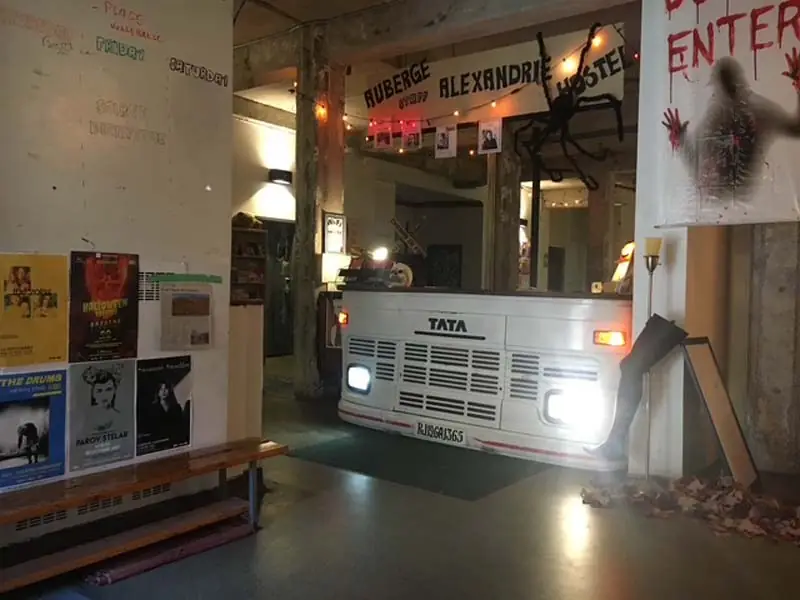
Over two years, I stayed in more than 100 hostels across some fifteen countries. Each one had its own model, shaped by its cultural environment, its owners, its explicit or unspoken rules, and the travellers passing through. Together, they showed me the hostel as a miniature form of human cooperation.
An ecosystem that adapts
A hostel is a true demonstration of human cooperation. It is an ecosystem that adapts to its local cultural environment, to the personality of its owners and to the behaviour of its past guests.
Rules that are written, spoken or implied
Rules are sometimes written, sometimes spoken, sometimes simply implied. How they are applied depends on the season, on how attentive the team is and on how committed the travellers passing through are. What really matters is not just the rule, but how the group agrees to bring it to life.
Launch: the most crucial period
The most crucial period for a hostel is its launch. The atmosphere isn’t there yet, but the first visitors, the first rules and the first stories already start to define its image. That reputation can then change for better or for worse, but it rarely starts from nothing.
A shared order helps people cooperate
Cooperation works best when a shared order is in place. Ecology is often mentioned as a unifying element, as is the mindset of the long-term traveller: young, adventurous, partygoer, hippie, in transition, on the run, or simply looking for peace and quiet.
Keep reading
- Launching or running a hostel? Find our tools on the Hostel Owners page.
- How Hostel Owners Shape Atmosphere in the First 90 Days