
After 200+ hostel stays, I trust patterns more than star ratings. Before you book, scan the listing and recent reviews for these signals — they predict sleep, safety, and whether you will actually meet people.
Green flags
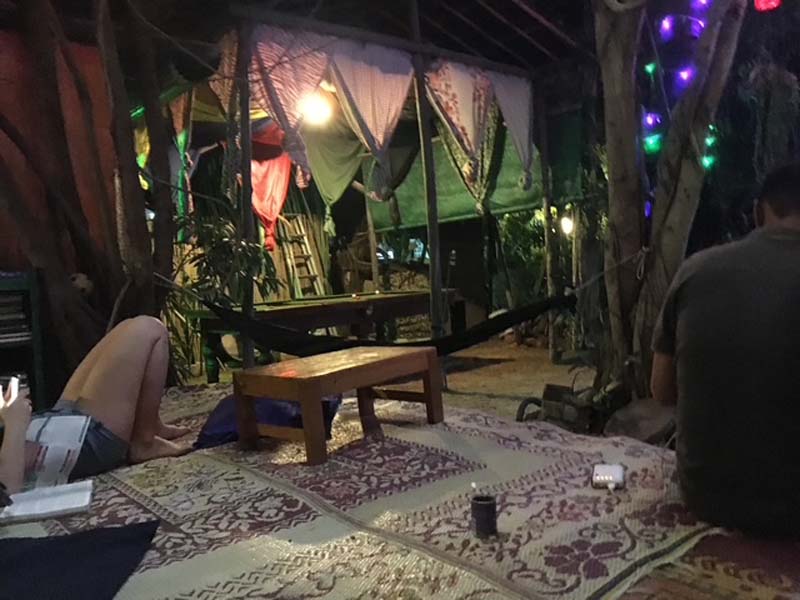
1. A real common space (not just a lobby)
Look for a kitchen people use, a courtyard, or a lounge with seats facing each other. If the only “common area” is a hallway or a bar that closes early, the social side of hostelling will be thin.
2. Recent guests mention staff by name or habit
“Reception helped me store my bag” or “the night staff kept the dorm quiet” beats vague “friendly staff.” Specifics mean someone is still running the place with care.
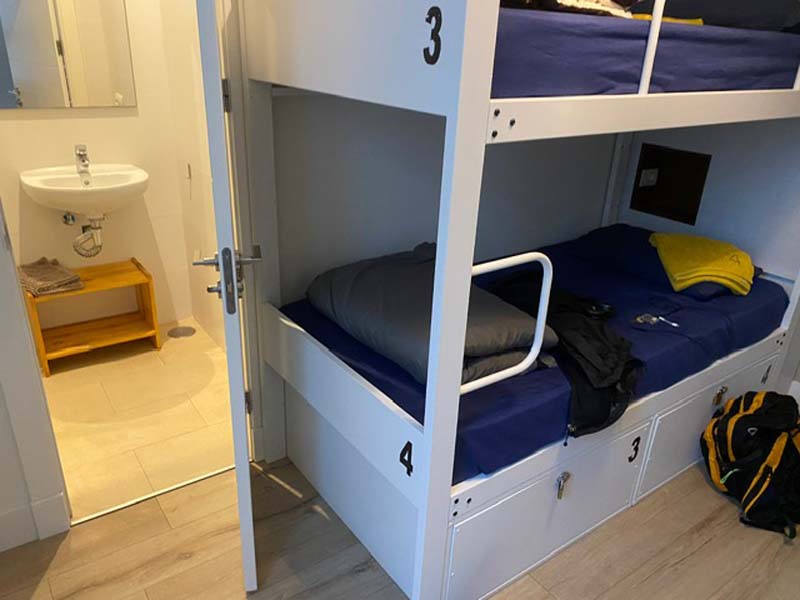
3. Clear photos of dorms, bathrooms, and the kitchen
Good hostels show the real beds, lockers, showers, and sinks. Heavy filters, only exterior shots, or endless party photos with no dorm detail usually hide something.
4. Lockers that fit a backpack
Reviews or photos that confirm full-size lockers (and that they work) save stress. Tiny drawers under the bed are not the same thing.
5. Honest noise notes
“Lively bar until 11, quiet floors upstairs” is a green flag. It tells you how to choose a room. Silence claims with party photos are the opposite.
Red flags
1. Reviews that only argue about price
If the conversation is “cheap but…” repeated for months — mold, broken showers, no hot water, aggressive upselling — price is not the win. You will pay with sleep.
2. No working kitchen (when the listing promised one)
A closed, locked, or “staff only” kitchen kills both budget and social life. Cross-check recent reviews, not the amenity icons.
3. Security theater
Key cards at the door mean little if dorm doors stay propped open or lockers are broken. Guests mentioning theft, or “bring your own padlock” with no lockers, is a hard no for me.
4. Location bait
“10 minutes to the center” on a map that is clearly a long walk with bags, or next to a highway with no transit note, wastes your first day. Open the map yourself.
5. Only party identity
If every photo is foam parties and every review is about the club downstairs, book it only if that is the trip you want. It is a red flag for sleep, early trains, and work-from-hostel days.
A 60-second booking check
- Open the latest 10–15 reviews; ignore the extremes.
- Confirm kitchen + lockers + showers in words or photos from the last few months.
- Check the map walk to the station or bus you will actually use.
- Match the vibe (quiet / social / party) to your next day’s plans.
Price still matters — but only after these flags. For more first-night tactics, see first-time hostel mistakes, and for guest tools and habits, start on the hostel guests page.